
Lemann Center for Brazilian Studies
Welcome to the Lemann Center for Brazilian Studies!
The Lemann Center promotes the multidisciplinary study of Brazil by offering fellowships to UIUC and Brazilian students, funding faculty collaboration and research, organizing international conferences, and supporting cultural programming. Established in 2009 through a generous gift from Jorge Paulo Lemann and family, the center draws upon a half-century of sustained research and collaboration between Illinois and Brazilian scholars. To learn more, visit our About Us page.
Center Highlights and News
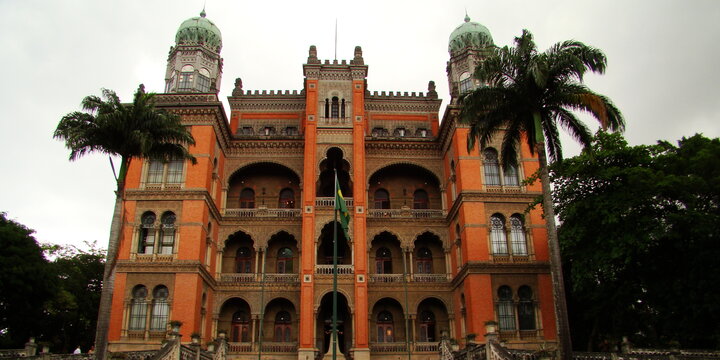
Fiocruz at Illinois
Brazil offers a powerful lens for understanding how society and public policy shape health. Illinois students began engaging with this perspective alongside distinguished visiting scholar Cristina Guilam, a physician and leading public health researcher at the Oswaldo Cruz Foundation (Fiocruz). This week, Cristina began teaching a course that examines how race, class, geography, and population aging shape health in Brazil. The course will also invite experts from Brazil to engage with students and contribute their perspectives. Students will consider both the achievements and ongoing challenges of Brazil’s Unified Health System (SUS), gaining a firsthand perspective on health equity, public policy, and social justice.

Mercosul’s financial future
As Mercosul countries navigate changes in global politics and the economy, stronger financial connections can expand cross-border payments and trade, reduce reliance on external financial infrastructure, and create new opportunities for regional cooperation. Marcela Marquez de Amorim Coutinho Alves, of the International Affairs Department at the Central Bank of Brazil and a 2026–27 Lemann Center Leadership Fellow in the Master of Policy Economics program, has coauthored a new article examining these issues. The authors argue that building on existing payment mechanisms while incorporating technological innovation can deepen financial integration and strengthen regional financial sovereignty.
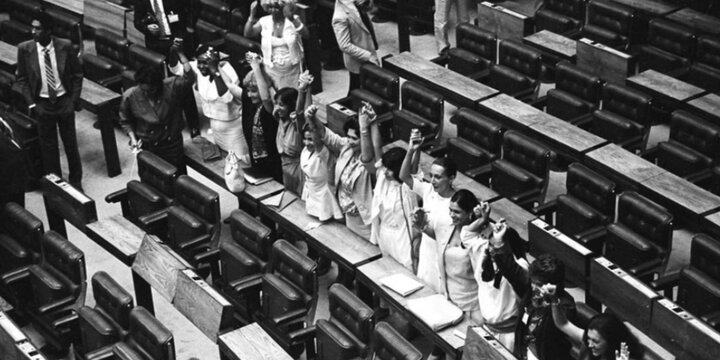
Engendering democracy and rethinking law in Brazil
What happens when women insist on a place in a nation’s democratic future? In Brazil’s 1987–1988 Constituent Assembly, 26 women deputies answered that question through the “Lipstick Lobby” (Lobby do Batom), a cross-party alliance that helped shape the country’s new constitution. Drawing on the Jornal da Constituinte newsletter and accounts from participating activists, research by Thais Duarte Zappelini, a Brasillinois postdoctoral fellow, examines how these women parliamentarians built support among legislators and civil society, and how their leadership helped redefine law, citizenship, and democracy in Brazil.
Upcoming Events